
Microscope activities
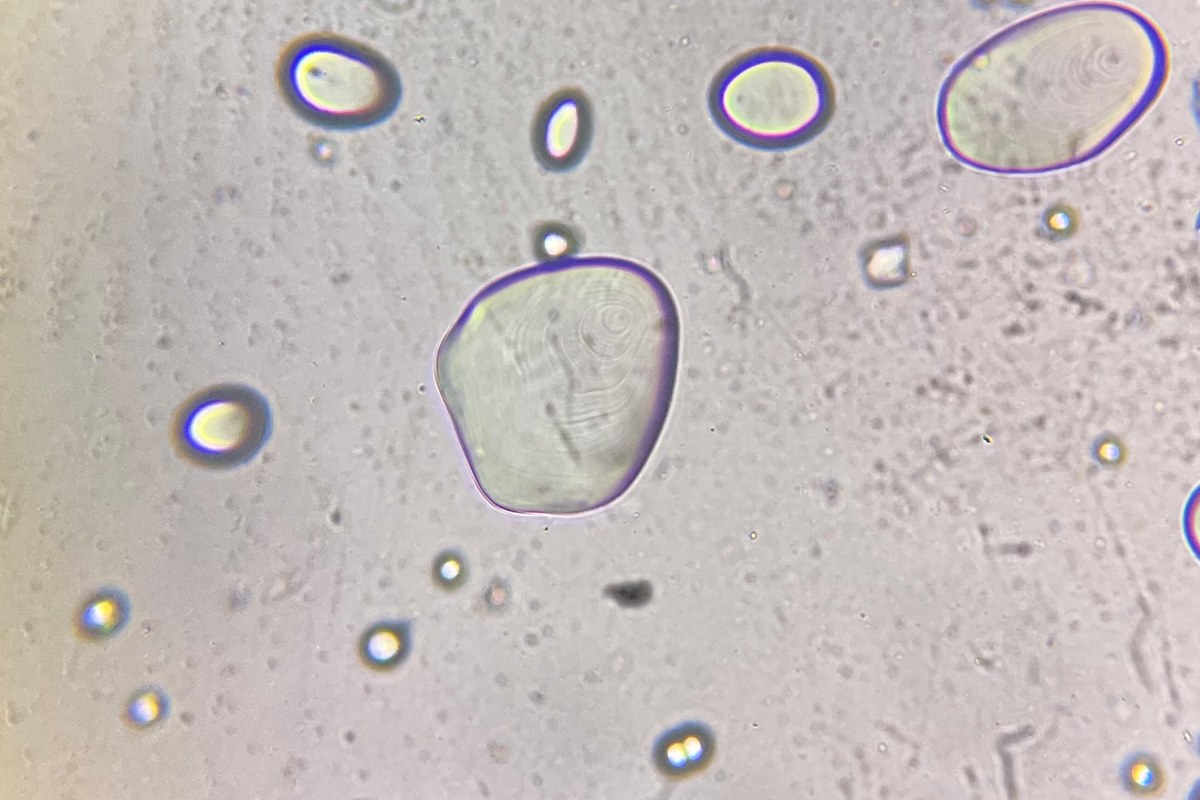
Potato starch under a microscope: find and compare granules
Use a small potato sample to find starch granules. Draw their shapes, look for internal rings, and compare two slides with a simple observation record.
Learn with Wevision
Practical steps for choosing equipment, preparing samples, and making observations you can repeat.
Microscope activities
Use a small potato sample to find starch granules. Draw their shapes, look for internal rings, and compare two slides with a simple observation record.
Microscope activities
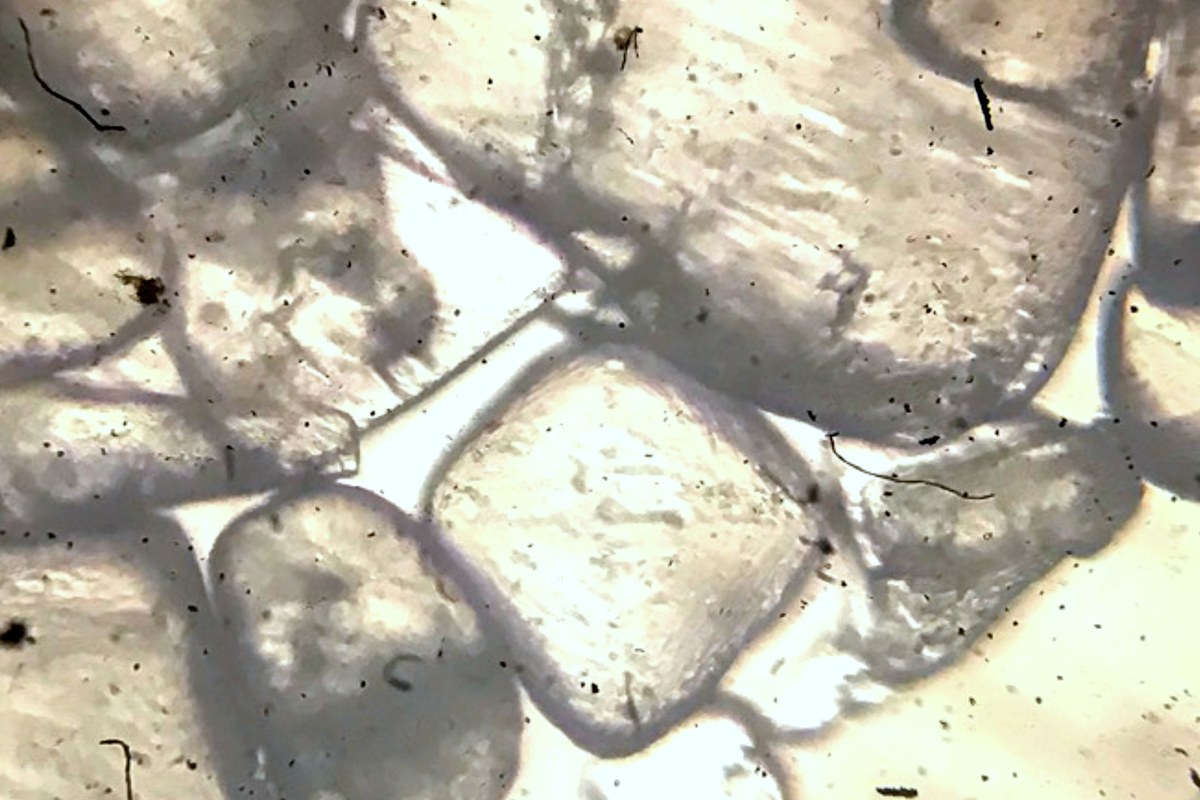
Follow table salt from solid grains to a clear solution and back to crystals. Use low power, a water-only control, and a simple record of changes.
Microscope care
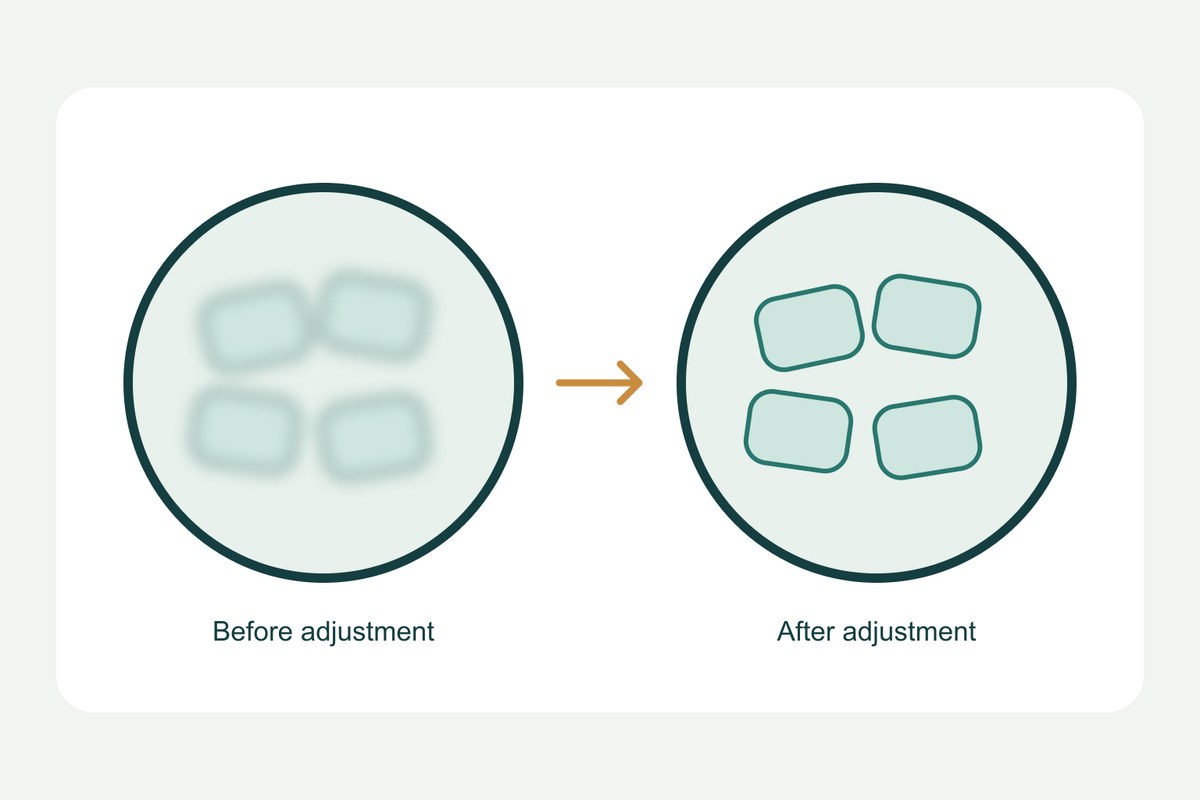
Use a known slide and a repeatable sequence to find what causes blur. Check each change before you clean a lens or ask for service.
Microscope techniques
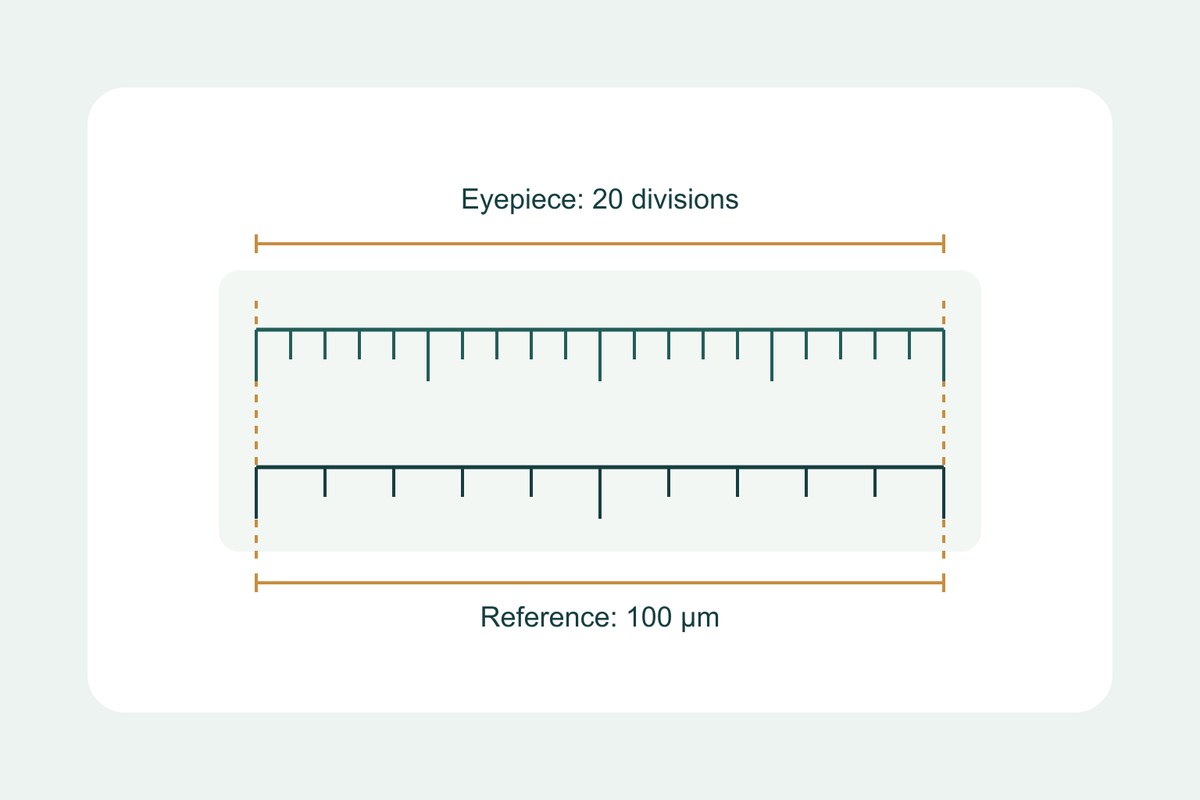
Turn eyepiece scale divisions into micrometers. Use a known reference, a worked example, and a repeat check to produce a documented cell measurement.
Microscope activities
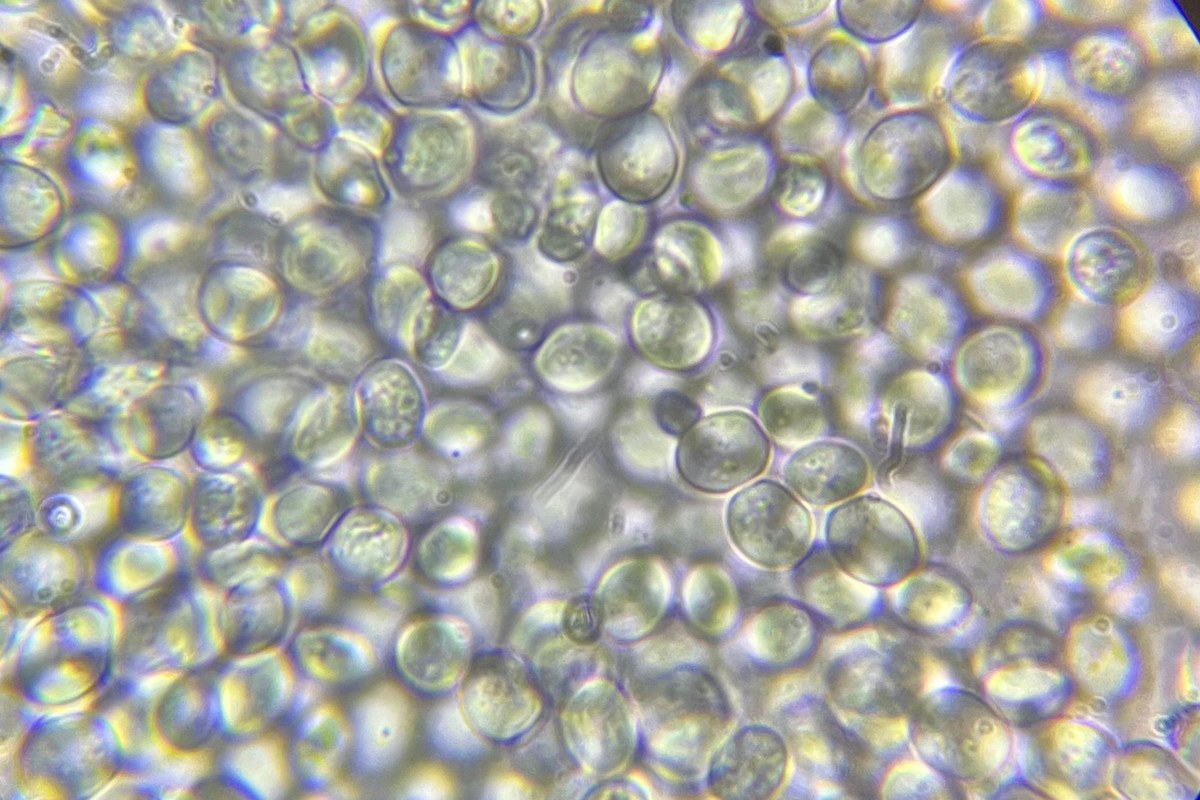
Turn a packet of baking yeast into an indoor microscope activity with a simple slide, realistic viewing steps, and a record of possible budding cells.
Microscopy methods
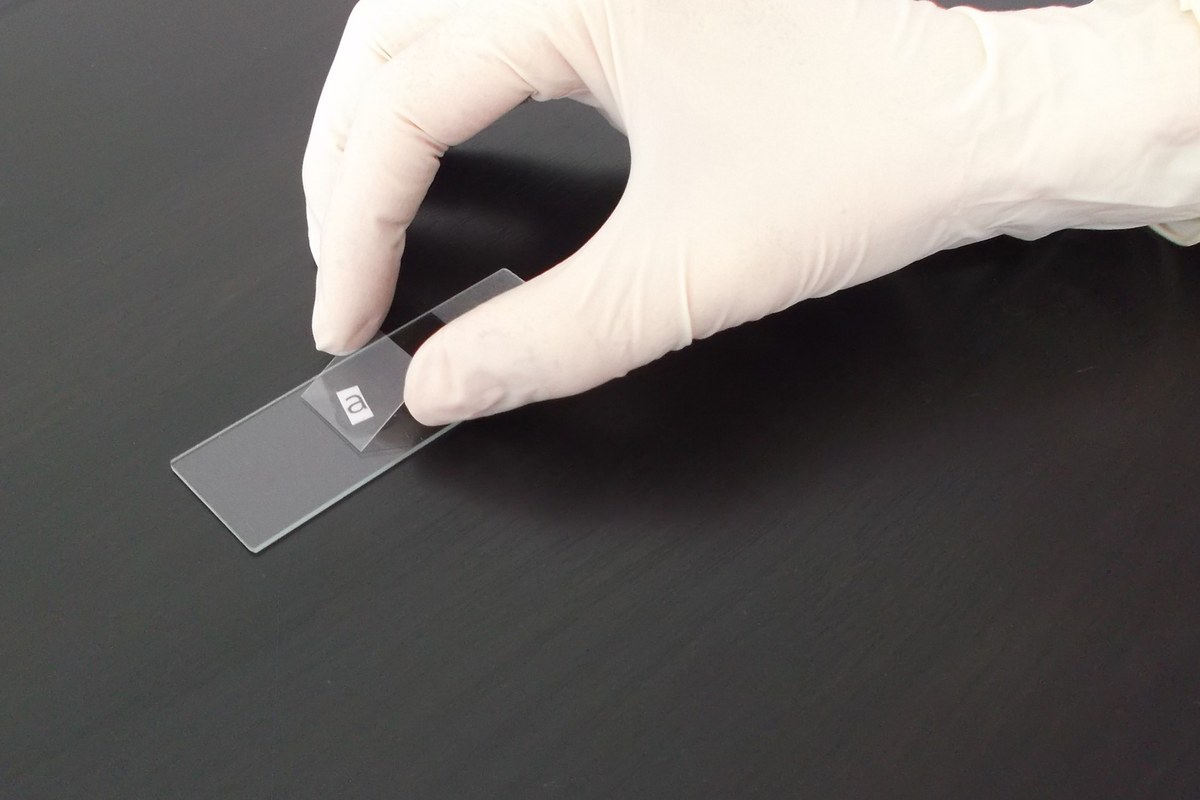
Prepare a simple dry-fiber slide and a wet plant-cell slide, then use a short checklist to find bubbles, thick samples, and other common problems.
Microscope care
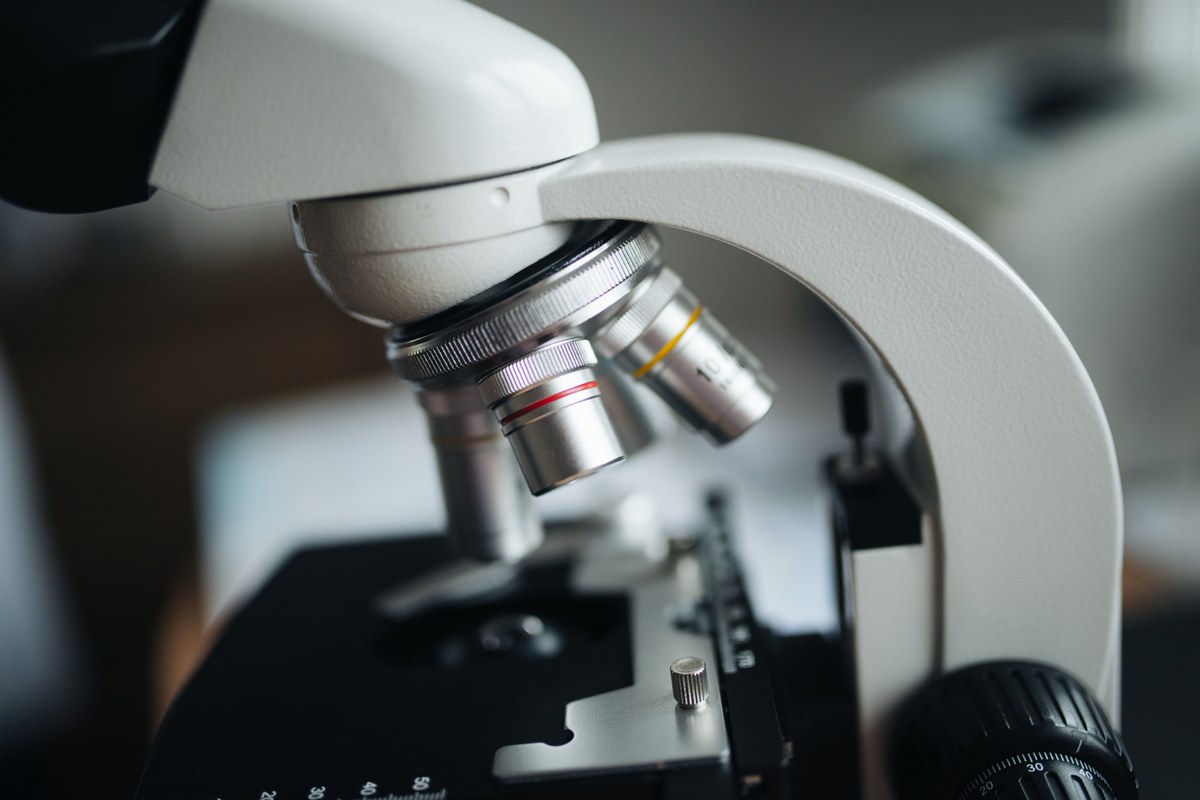
Inspect the image and exposed optics, remove loose dust first, use approved lens-cleaning materials only when needed, and confirm the result.
Microscope activities
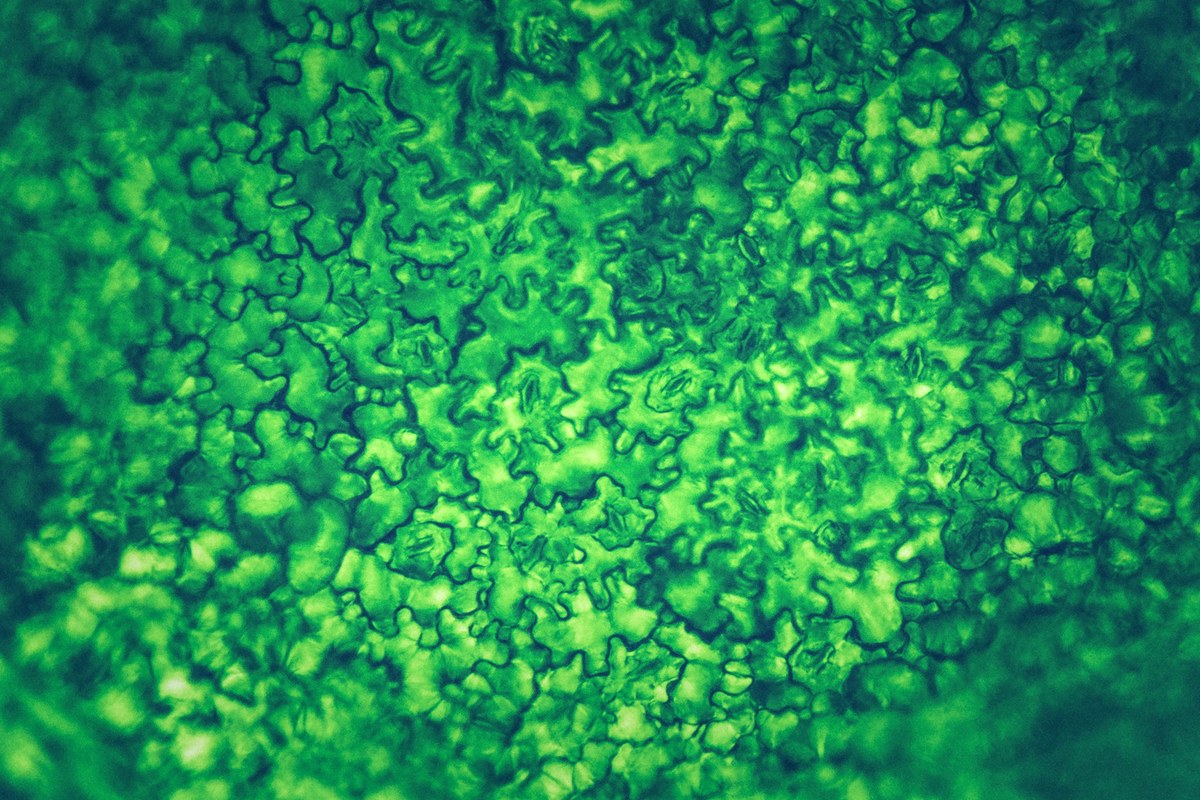
Lift a leaf-surface impression onto a slide, focus from low power, identify possible stomata, and document what the cast actually shows.
Microscope activities
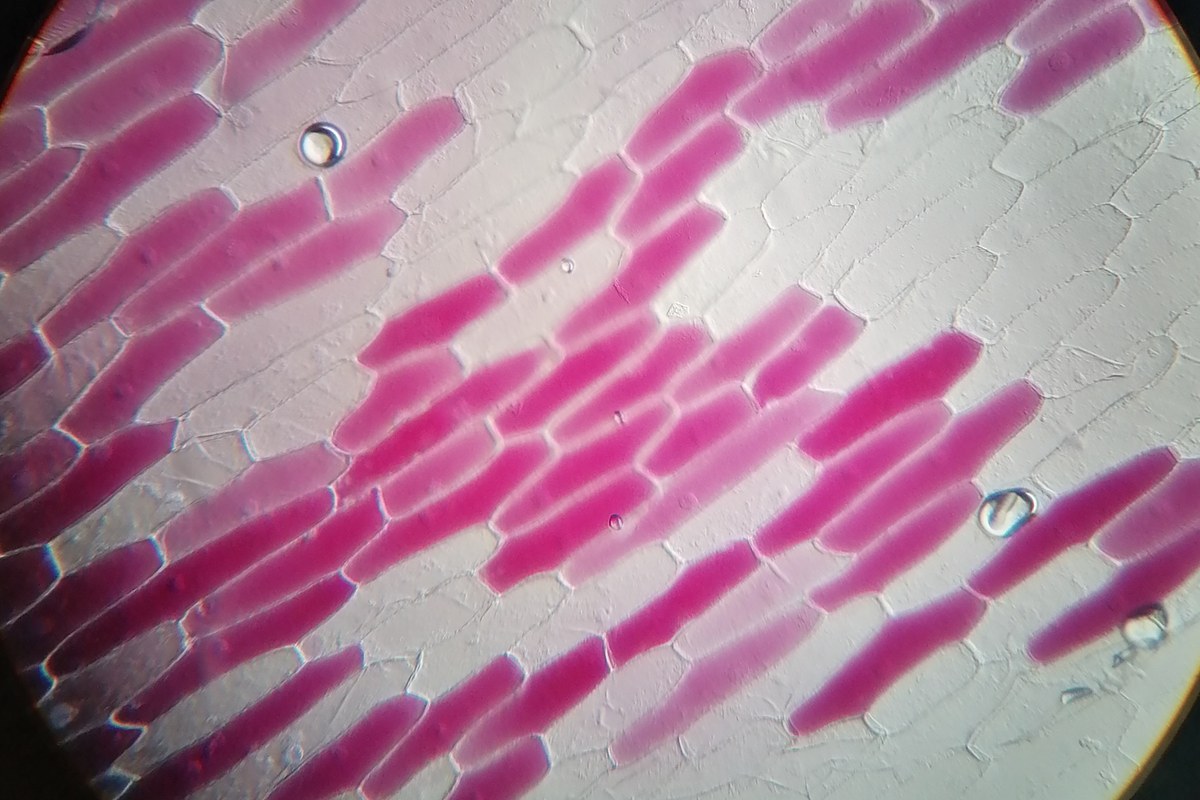
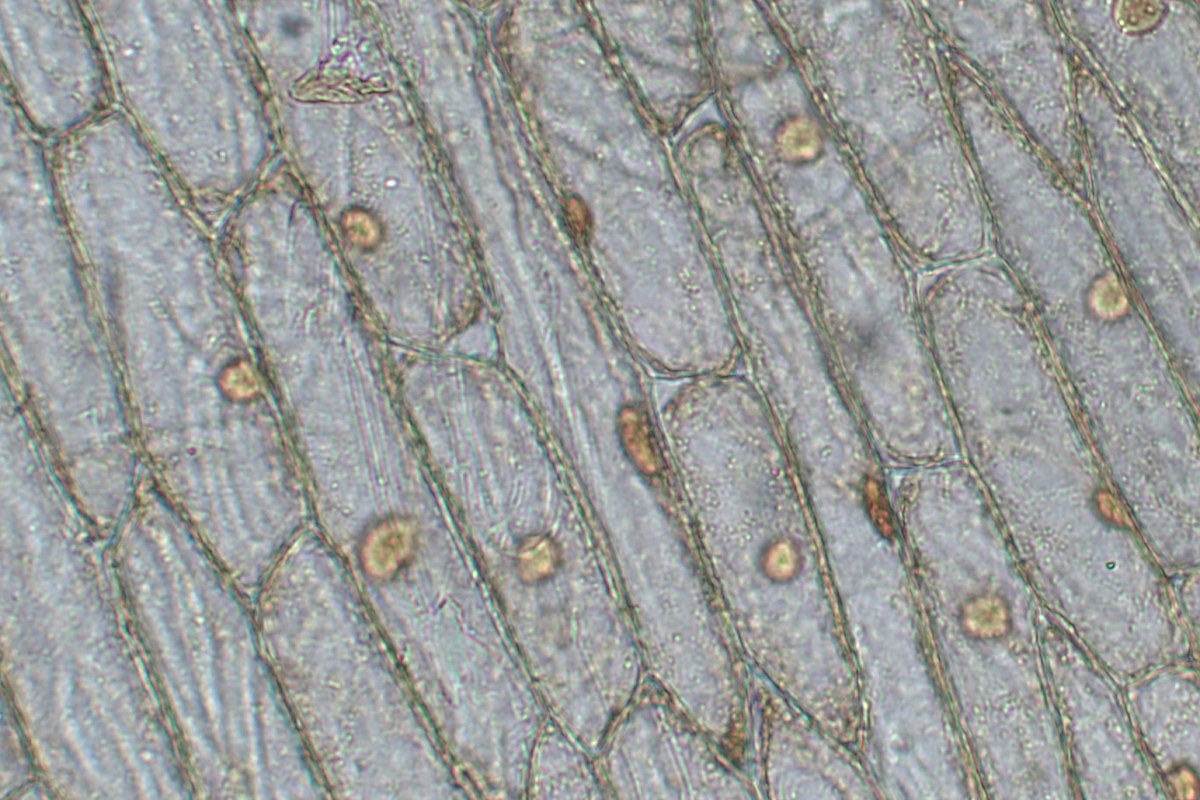
Start the school year with a simple onion-cell slide, clear focusing steps, and an observation record that separates visible details from textbook diagrams.
Microscope activities
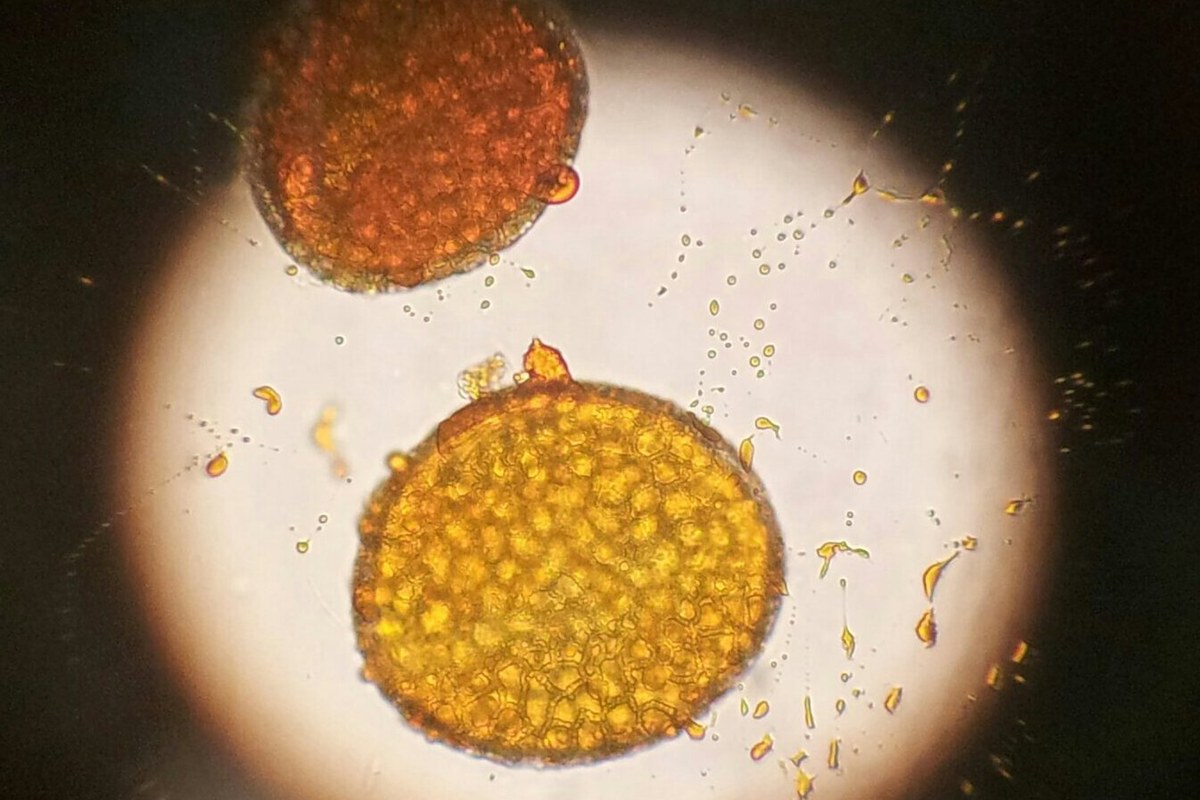
Explore a timely September subject with prepared pollen slides, a repeatable observation routine, and realistic limits on identifying grains.
Microscope activities
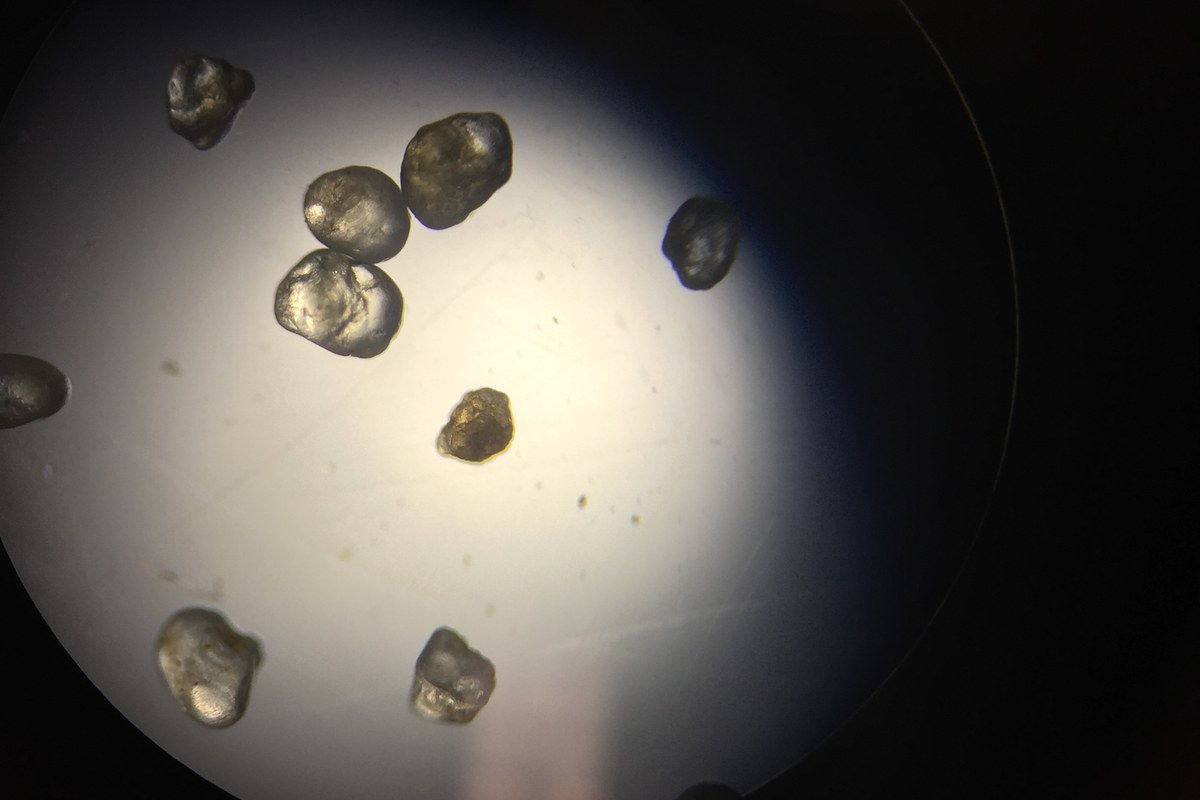
Prepare and compare real sand samples at low power while separating careful observations from guesses about mineral or biological origin.
Microscope activities
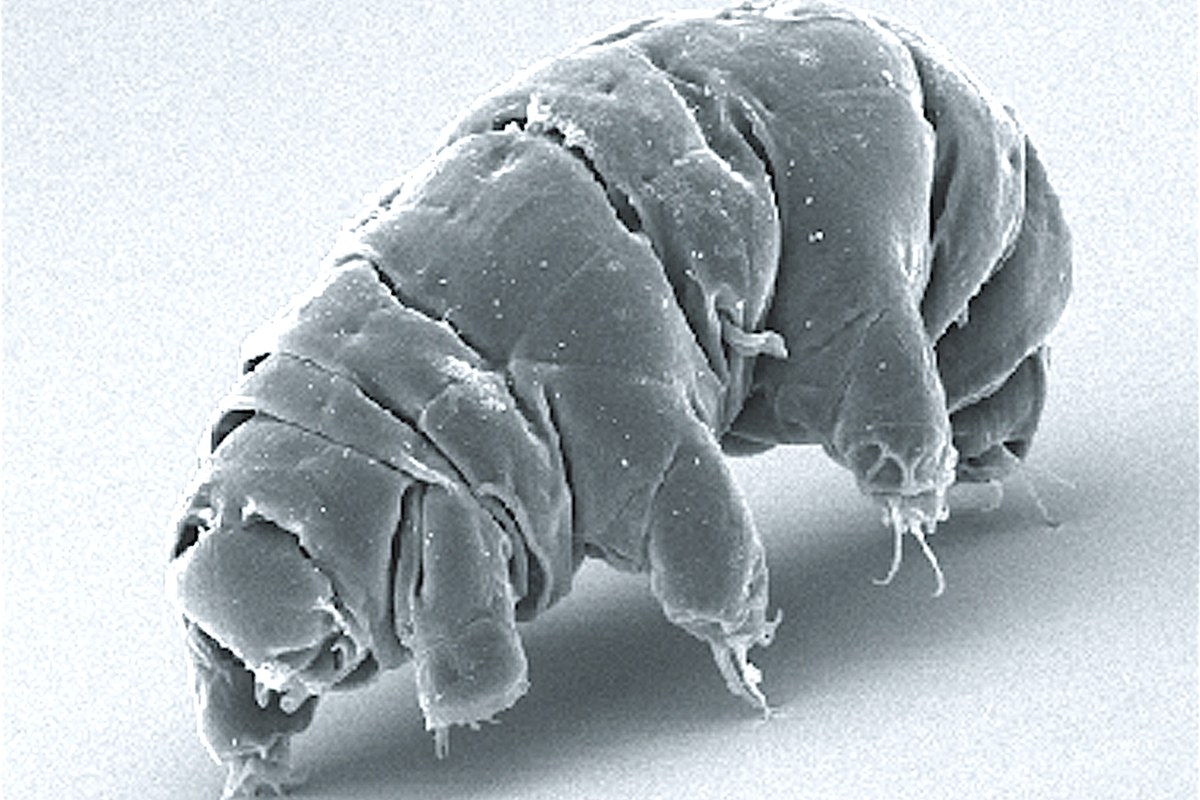
Follow a practical moss-soaking and slide-scanning workflow to look for a tardigrade while protecting the specimen and microscope.
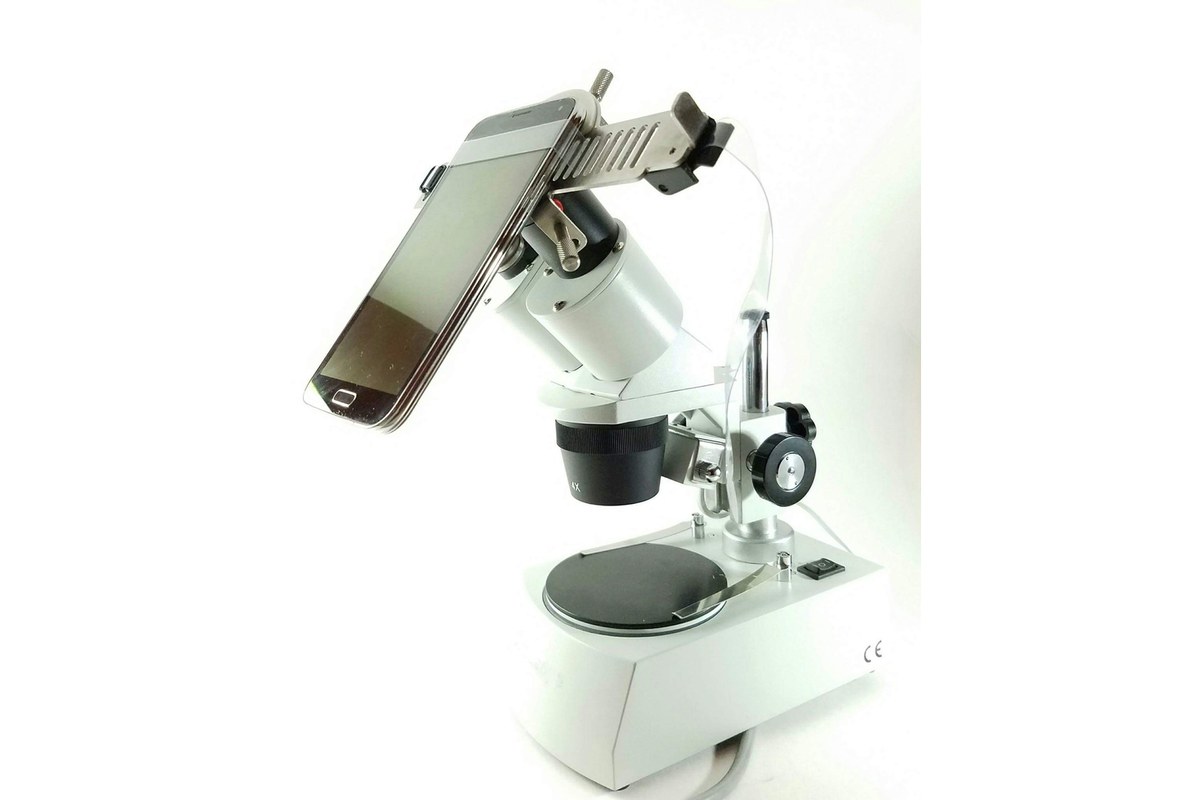
Microscope photography
Use a smartphone and eyepiece adapter to capture steadier, clearer microscope images without losing the specimen or adding empty magnification.
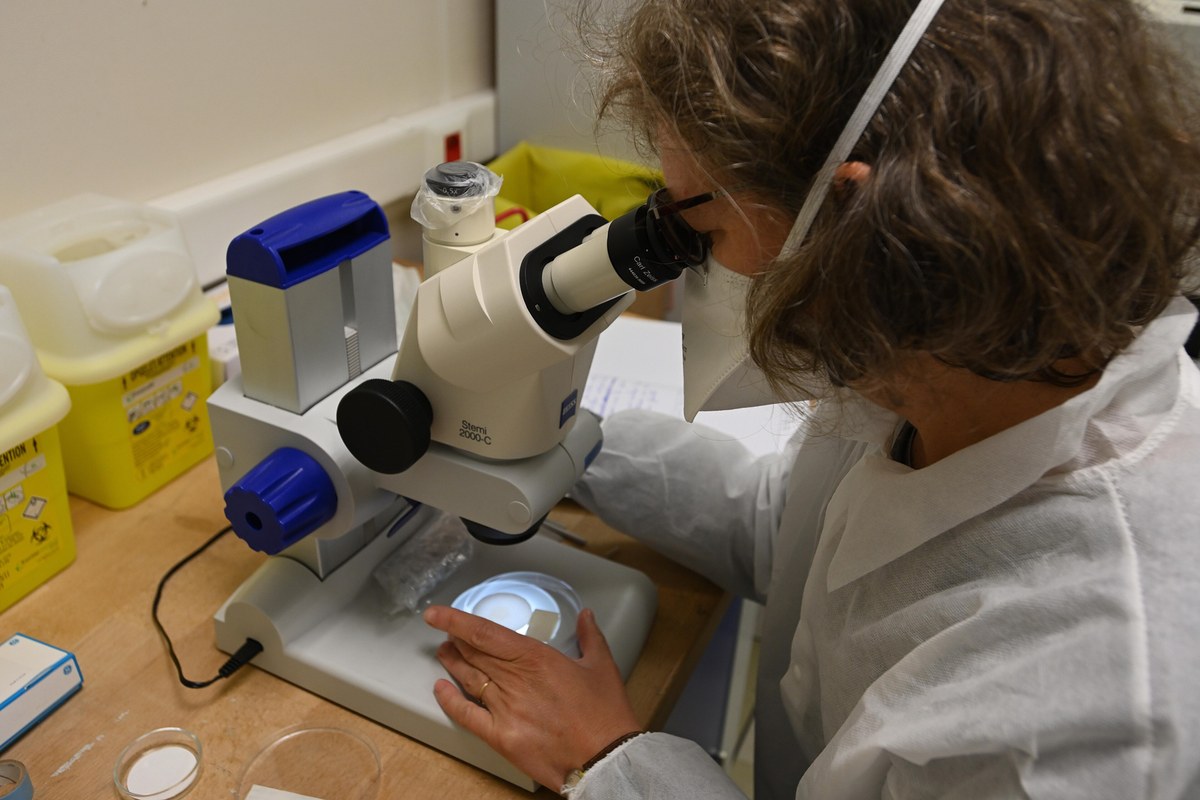
Microscopy methods
Use ordinary microscopy to describe and sort suspected particles while keeping a clear boundary between visual screening and confirmed plastic.
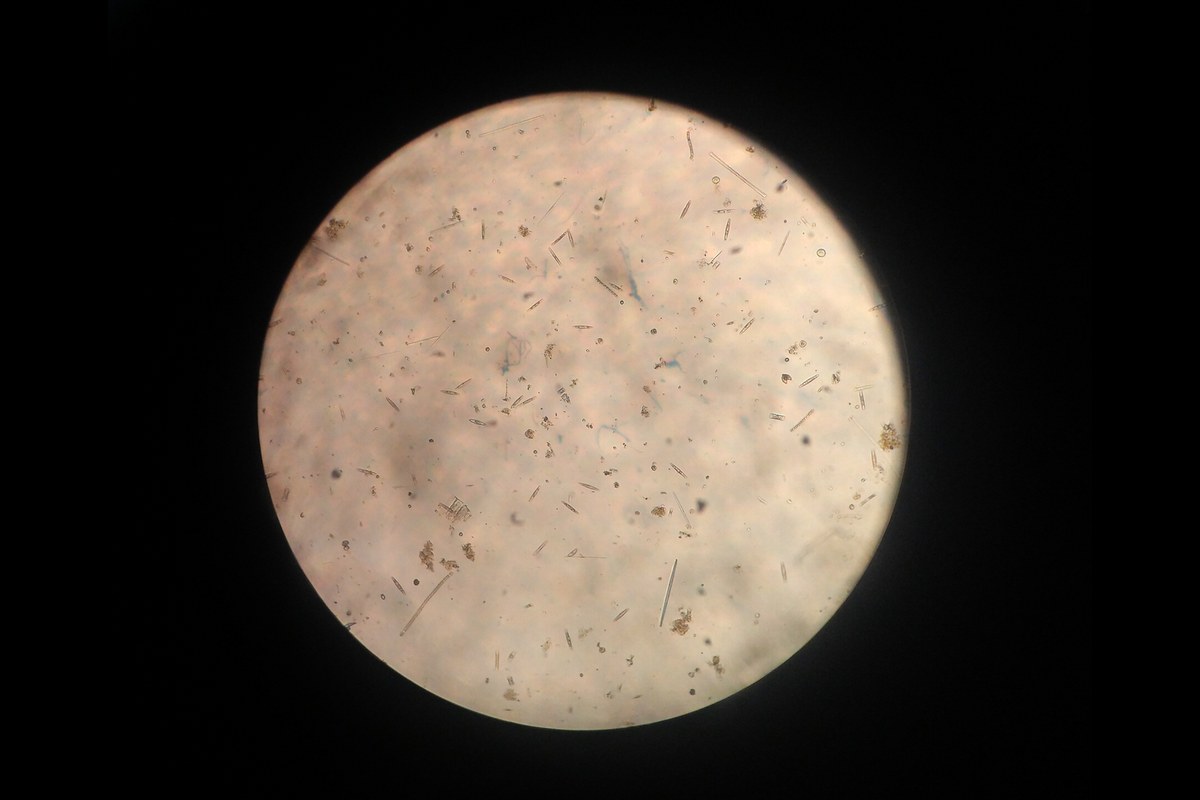
Microscope activities
Turn one drop of pond water into a structured microscopy activity with careful collection, wet-mount preparation, focusing, and observation notes.

Student microscope guide
Match a student microscope to the learner, setting, samples, controls, viewing comfort, accessories, and future coursework.
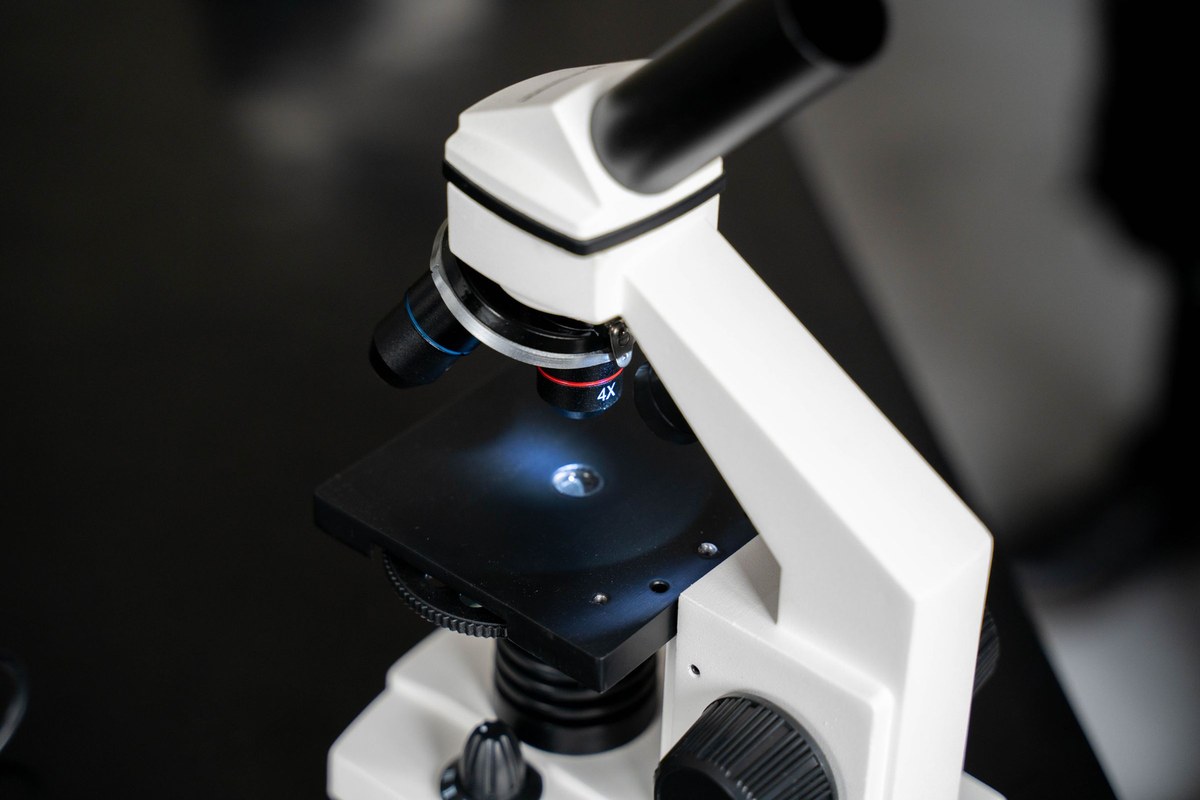
Buyer’s guide
Compare viewing heads, optics, stages, focus controls, lighting, power, accessories, and real-world use.
Optics basics
Calculate total magnification and understand why useful detail depends on more than a large number.
No guides match your search. Try another term.